
Best Canon Camera Under $1,000 for All-Around Photography (2026 Buyer’s Guide)
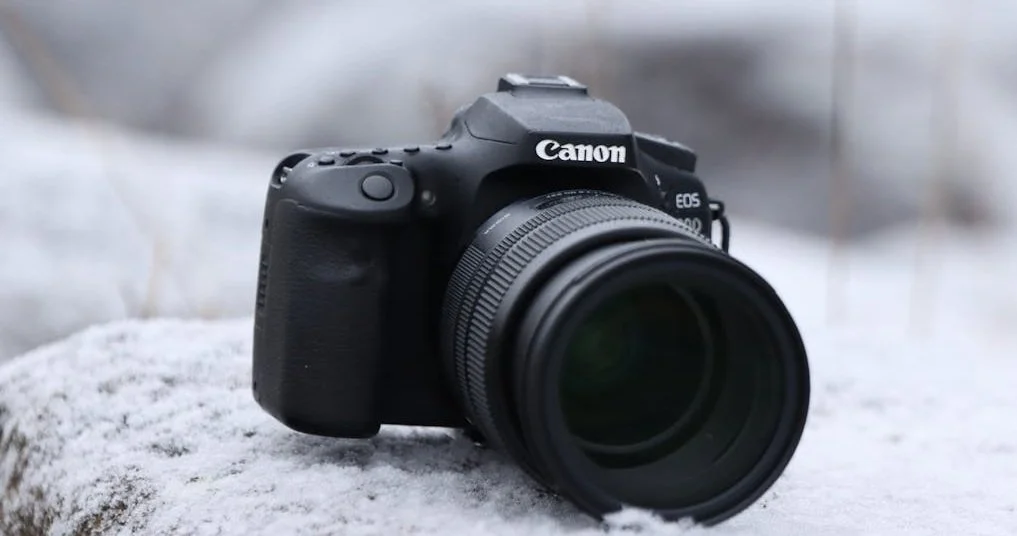
Buying a camera under $1,000 used to mean accepting obvious limitations. Autofocus systems struggled with fast-moving subjects, burst rates were modest, and image quality declined quickly as light levels dropped. That reality has changed. In 2026, the used Canon DSLR market offers serious performance at prices that were once reserved for entry-level gear.
The challenge is no longer finding a good Canon camera under $1,000. The challenge is finding the best Canon camera under $1,000 that performs well across multiple types of photography.
Most photographers do not shoot only one genre. You might photograph youth sports on weekends, capture portraits of family members, bring your camera on vacation for landscapes, and attempt wildlife photography when the opportunity presents itself. A camera that excels in only one category often introduces frustration in another.
If you are searching for a versatile Canon DSLR under $1,000, you need a body that balances resolution, speed, autofocus reliability, and long-term lens flexibility. You also need to understand the full system cost, because lenses ultimately determine what your camera can actually achieve.
In this guide, we’ll break down the strongest all-around Canon camera under $1,000, explain why it works across sports, portraits, wildlife, and landscape photography, and outline the lens strategy that turns it into a complete system.
Why All-Around Versatility Matters
When most people search for the best Canon camera under $1,000, they are not searching because they specialize in a single genre. They are searching because they want one camera that can handle whatever they point it at. That distinction is important.
A camera built purely for sports might prioritize autofocus tracking and burst speed above everything else. A portrait-focused body might emphasize full-frame depth of field and skin tone rendering. A wildlife-oriented camera may center around reach and pixel density. Each of those tools can be excellent in isolation, but most photographers are not isolated in their interests.
Real-world photography is fluid. One weekend might involve photographing a soccer game in bright daylight. The next could involve a family portrait session in softer evening light. A vacation might introduce sweeping landscapes during golden hour, followed by the unexpected appearance of wildlife in the distance. A camera that struggles in any one of those scenarios quickly feels limiting.
Versatility means balance. It means having enough resolution to crop when necessary without sacrificing detail. It means having enough burst speed to capture motion without feeling slow. It means having autofocus that is reliable across different subjects rather than optimized for a single use case. It also means having access to an affordable and mature lens ecosystem so that your investment can grow over time.
Another overlooked factor is cost efficiency. Specialized bodies often force specialized lenses, and specialized lenses increase system cost quickly. An all-around camera should allow gradual expansion. You should be able to start with one versatile zoom lens and then add telephoto or prime lenses as your interests evolve.
Choosing an all-around Canon camera under $1,000 is ultimately about reducing friction. It is about owning a camera that adapts to you rather than forcing you to adapt to it. The more genres you explore, the more valuable that flexibility becomes.
With that in mind, the next step is identifying which Canon DSLR under $1,000 offers that balance without introducing meaningful weakness.
Canon EOS 90D: The Best All-Around Canon Under $1,000
The camera that best delivers true all-around performance under $1,000 is the Canon EOS 90D. On the used market, it typically sells between $700 and $900 for the body alone, placing it comfortably within budget while leaving room for lens investment. What makes it stand out is not dominance in one category, but strength across all of them.
At the core of the 90D is its 32.5-megapixel APS-C sensor. That resolution is unusually high for a crop sensor body and becomes a practical advantage in real-world shooting. When photographing wildlife, the high pixel density allows you to crop more aggressively while still retaining usable detail. In sports, it gives you margin when framing is slightly loose or when action moves unpredictably. For landscapes, it preserves fine textures in foliage, rock, and sky. Even in portraits, the added resolution helps maintain detail in eyes, hair, and subtle facial features.
Speed is equally important in an all-around camera, and the 90D delivers 10 frames per second in continuous shooting. That burst rate is fast enough to handle youth sports, outdoor field athletics, and birds in flight without feeling like a compromise. An all-purpose camera cannot suddenly feel slow when motion enters the frame, and the 90D avoids that weakness.
Autofocus performance further reinforces its versatility. Through the optical viewfinder, the camera tracks movement reliably for a DSLR in this class. It may not include modern mirrorless subject-detection technology, but its focusing system is predictable and consistent when properly configured. In live view, Canon’s Dual Pixel autofocus provides smooth, accurate focusing that works especially well for portraits and occasional video use. That balance allows the 90D to move comfortably between genres without requiring dramatically different shooting approaches.
Another feature that strengthens its position as an all-around body is the fully articulating rear screen. While often overlooked, this becomes valuable when composing low-angle landscapes, experimenting with portrait framing, or working in tight spaces while traveling. Cameras designed purely for action often sacrifice this flexibility. The 90D retains it, making it easier to adapt to different environments and perspectives.
Importantly, the 90D also sits at the peak of Canon’s DSLR refinement. It benefits from years of autofocus development, mature menu systems, and a deeply established EF and EF-S lens ecosystem. For photographers who already own Canon DSLR lenses, it allows continued use of that glass without adapters or system transitions. For new buyers, it opens access to a large and affordable used lens market.
The reason the 90D works so well as an all-around recommendation is simple: it does not introduce a glaring weakness. It is fast enough for sports, detailed enough for landscapes, capable enough for wildlife, and flexible enough for portraits. In the sub-$1,000 range, that balance is difficult to match.
How the Canon EOS 90D Performs Across Sports, Portraits, Wildlife, and Landscapes
A true all-around camera must prove itself in real shooting scenarios, not just on a specification sheet. The strength of the Canon EOS 90D becomes clear when you examine how it performs across the four most common photography categories.
In sports photography, the 90D’s 10 frames per second burst rate provides enough speed to capture peak action during youth athletics, high school sports, and outdoor field events. Autofocus tracking through the optical viewfinder remains dependable when subjects move toward or away from the camera. While it is not a specialized professional sports body, it performs confidently in daylight conditions and does not feel outpaced during fast sequences. For many photographers covering weekend games or school sports, that level of performance is more than sufficient.
In portrait photography, the 90D benefits from strong color rendering and precise autofocus. Canon’s color science has long been appreciated for natural skin tones, and the 90D continues that tradition. When paired with a fast prime lens, it produces pleasing background separation and detailed facial features. The high-resolution sensor preserves fine detail in eyes and hair, while the articulating screen makes it easier to compose from creative angles or shoot at eye level with children.
Wildlife photography introduces different demands, particularly reach and cropping flexibility. The 90D’s APS-C sensor provides a 1.6x field-of-view crop, which effectively narrows the frame compared to full frame. That characteristic becomes valuable when photographing distant birds or animals. Combined with its 32.5-megapixel resolution, the camera allows photographers to crop more aggressively while retaining usable detail. While low-light wildlife scenarios can challenge any APS-C sensor, the 90D remains highly practical for daylight wildlife photography.
Landscape photography shifts emphasis away from speed and toward detail and tonal rendering. At base ISO, the 90D produces clean, sharp files suitable for large prints. The high resolution captures fine textures in foliage, water, and rock formations. The articulating screen once again proves useful when composing from low angles or uneven terrain. Although full-frame sensors may offer slightly smoother tonal transitions in extreme dynamic range situations, the 90D performs well enough that most photographers will not feel constrained.
Across all four genres, what stands out is consistency. The 90D does not dominate any single category, but it also does not struggle meaningfully in any of them. That predictability is what defines a strong all-around camera. It allows photographers to move between sports, portraits, wildlife, and landscapes without feeling as though they are constantly working against their equipment.
The Best Lenses to Pair with the Canon EOS 90D
Choosing the right body is only half of the equation. The long-term success of any photography system depends on lens selection. The Canon EOS 90D becomes a truly versatile tool when paired with lenses that expand its capabilities across multiple genres without forcing unnecessary expense.
For most photographers, the ideal starting point is a flexible mid-range zoom. The Canon EF-S 18–135mm IS USM is one of the strongest all-around options available for Canon’s APS-C DSLRs. On the 90D, it provides a wide enough field of view for landscapes and travel scenes while extending far enough for casual portraits and moderate telephoto work. Its image stabilization helps in lower light situations, and its overall optical quality is more than sufficient for general photography. As a first lens, it allows you to explore nearly every category without feeling restricted.
From a budget standpoint, this pairing remains reasonable. A used 90D body combined with a used 18–135mm lens typically totals around $1,100. That slightly exceeds the body-only budget but creates a fully functional system rather than an incomplete setup.
As interests expand, the next logical addition is reach. The Canon EF 70–300mm IS II USM dramatically increases versatility for outdoor sports and wildlife photography. Its focal length allows photographers to capture field sports from the sidelines or isolate distant wildlife subjects without stepping into the price range of professional super-telephoto lenses. In daylight conditions, it performs reliably and maintains strong autofocus compatibility with the 90D. While it is not a dedicated low-light sports solution, it offers an excellent balance of performance and affordability for general use.
Adding this lens transforms the system into something far more capable, bringing the total investment closer to $1,500. Importantly, this cost can be spread over time rather than purchased all at once, which makes building the system more manageable.
For photographers who gravitate toward portraits, introducing a fast prime lens adds creative flexibility. The Canon EF 85mm f/1.8 USM is one of the most respected value portrait lenses in Canon’s DSLR ecosystem. On the 90D, it delivers flattering compression and shallow depth of field that separates subjects from the background effectively. Its relatively modest price compared to premium f/1.4 options makes it an accessible upgrade that significantly enhances portrait results.
What makes this lens progression effective is its intentionality. Instead of purchasing a single expensive lens that attempts to do everything, photographers can build gradually. Start with versatility, add reach for sports or wildlife, then introduce a prime for portrait work. Each step expands capability without requiring a body replacement.
The key takeaway is that the 90D’s strength as an all-around camera is closely tied to Canon’s mature EF and EF-S lens ecosystem. Affordable used options are abundant, and compatibility is straightforward. This flexibility allows photographers to shape their system around evolving interests while keeping the core investment under control.
Realistic Total System Cost: What to Expect
One of the most common mistakes photographers make when shopping for the best Canon camera under $1,000 is focusing only on the body price. While the Canon EOS 90D fits comfortably within that budget on the used market, the true cost of an all-around photography system depends on lens selection and long-term growth.
Starting with the body alone at approximately $800 provides a strong foundation, but a camera without a lens is not a usable system. Pairing the 90D with the Canon EF-S 18–135mm IS USM brings the total closer to $1,100. At that level, you have a capable setup for travel, family photography, and general-purpose shooting. For many photographers, this is enough to begin producing meaningful results immediately.
Expanding into sports or wildlife with the Canon EF 70–300mm IS II USM increases total investment to roughly $1,500–$1,600. That additional cost reflects the reality that reach requires glass, and glass determines performance in distance-driven genres. Importantly, this expansion can happen months or even years after the initial purchase. The body does not need to change in order for the system to grow.
Adding a portrait-focused prime such as the Canon EF 85mm f/1.8 USM may push the overall investment closer to $1,800 if all lenses are acquired. However, that figure represents a mature and flexible system capable of handling nearly any everyday photography scenario.
What becomes clear through this progression is that the camera body remains the anchor of the system, but lenses define specialization. The advantage of choosing the 90D as an all-around foundation is that it does not force immediate specialization. It allows you to begin with versatility and then build deliberately based on your evolving interests.
Compared to entering the full-frame market at a similar body price, APS-C systems like the 90D often maintain lower lens costs. Wide-angle lenses for APS-C are generally more affordable, and telephoto reach benefits from the crop factor without requiring the longest and most expensive focal lengths available.
Understanding total system cost removes unrealistic expectations. A sub-$1,000 body does not automatically mean a sub-$1,000 complete system. However, the 90D offers one of the most cost-efficient paths to building a well-rounded Canon photography kit in 2026.
Canon EOS 90D vs Other Canon Options Under $1,000
When evaluating the best Canon camera under $1,000 for all-around photography, it is important to understand how the Canon EOS 90D compares to other strong Canon bodies in the same price range. Two of the most commonly considered alternatives are the Canon EOS 6D Mark II and the Canon EOS 7D Mark II. Each has clear strengths, but each also leans more heavily toward specialization.
The Canon EOS 6D Mark II offers a full-frame sensor, which provides advantages in depth of field and high-ISO performance. Portrait photographers often appreciate the smoother background blur and tonal transitions that full frame can produce. Landscape photographers may also value the slightly wider native field of view. However, these advantages come with trade-offs. Full-frame lenses typically cost more, especially when seeking wide-angle or fast telephoto options. The 6D Mark II also offers a slower burst rate than the 90D, which makes it less versatile for sports or wildlife. For photographers focused primarily on portraits or landscapes, the 6D Mark II can be compelling, but as an all-around choice, it introduces higher long-term lens costs and slightly less action flexibility.
The Canon EOS 7D Mark II, by contrast, was designed with action photography in mind. Its autofocus system and durable construction make it particularly attractive for sports shooters. However, it carries a lower resolution sensor compared to the 90D and lacks a fully articulating screen. For photographers who prioritize youth sports or fast-moving subjects above everything else, the 7D Mark II remains a strong option. Yet its narrower focus on action makes it slightly less balanced for general-purpose photography.
The 90D sits between these two bodies in a meaningful way. It does not offer full-frame rendering like the 6D Mark II, nor does it position itself as purely action-driven like the 7D Mark II. Instead, it blends high resolution, strong burst speed, and flexible ergonomics into a single platform. This balance makes it uniquely suited for photographers who move between genres without wanting to optimize for only one.
When comparing these three bodies strictly on overall versatility, the 90D emerges as the most adaptable. It maintains action capability, delivers impressive detail, supports an affordable lens ecosystem, and avoids forcing specialization. That combination is difficult to match within a sub-$1,000 body budget.
Is the Canon EOS 90D Still Worth Buying in 2026?
With mirrorless cameras dominating current marketing and development cycles, a fair question arises: is a DSLR like the Canon EOS 90D still worth buying in 2026?
The short answer is yes — but the reasoning matters.
While Canon’s future development is centered around mirrorless systems, DSLR performance did not suddenly decline. The 90D remains the same capable camera today that it was when released. Its autofocus system, burst speed, resolution, and build quality have not become obsolete simply because newer technology exists. For photographers working within a defined budget, performance per dollar often matters more than owning the latest platform.
Another important factor is lens ecosystem maturity. Canon’s EF and EF-S mount has decades of lens development behind it. The used market is extensive, pricing is competitive, and compatibility is straightforward. Mirrorless systems, while excellent, often introduce higher lens costs and a transition period that may not be practical for photographers who already own DSLR glass.
There is also a usability argument in favor of DSLRs. Some photographers prefer the optical viewfinder experience, particularly in bright outdoor environments where electronic viewfinders can feel artificial or power-intensive. Battery life on DSLRs often remains longer in traditional shooting modes, which can be advantageous during extended sports events or travel days.
That said, buyers should be realistic. The 90D does not offer advanced AI-based subject detection, cutting-edge tracking algorithms, or the silent shooting advantages of newer mirrorless bodies. If those features are central to your workflow, a mirrorless option may make more sense. But if your priority is dependable performance across multiple genres at a reasonable cost, the 90D continues to deliver meaningful value.
The key is alignment. If you are seeking a cost-effective Canon camera under $1,000 that can handle sports, portraits, wildlife, and landscapes without requiring a complete system rebuild, the 90D remains a practical and intelligent purchase in 2026.
Final Recommendation: Who the Canon EOS 90D Is For
After evaluating performance, lens flexibility, total system cost, and long-term practicality, the conclusion becomes clear. The Canon EOS 90D is not the most specialized Canon camera under $1,000 — but it is the most balanced.
If your photography is heavily weighted toward one discipline, you may benefit from a more focused tool. Dedicated sports shooters might lean toward action-specific bodies. Portrait photographers who prioritize full-frame depth of field above everything else might consider a larger sensor. Wildlife specialists may eventually pursue even longer telephoto solutions.
But most photographers do not operate inside a single category.
If you photograph youth sports on weekends, capture family portraits throughout the year, travel with your camera for landscapes, and occasionally pursue wildlife when the opportunity presents itself, you need a camera that adapts to you. You need a body that offers speed when action happens, resolution when cropping becomes necessary, and flexibility when composition demands creativity.
The Canon EOS 90D delivers that balance without forcing immediate specialization. It supports an affordable and mature EF lens ecosystem. It provides enough performance headroom to grow as your skills improve. And it remains accessible within a sub-$1,000 body budget.
Choosing the best Canon camera under $1,000 is not about chasing the newest technology. It is about identifying the platform that allows you to build intelligently and photograph confidently across multiple genres.
For all-around photography in 2026, the Canon EOS 90D remains one of the smartest and most practical choices available.
Frequently Asked Questions About the Best Canon Camera Under $1,000
When photographers search for the best Canon camera under $1,000, a few practical questions consistently arise. Below are the most common considerations when evaluating the Canon EOS 90D as an all-around option.
Is the Canon EOS 90D good for beginners?
Yes, but with context. The 90D is not marketed as an entry-level DSLR, yet it remains approachable for motivated beginners. Its menu system is intuitive, its autofocus modes are flexible without being overwhelming, and it offers room to grow as skills improve. Unlike entry-level models that may be quickly outgrown, the 90D provides performance headroom that supports long-term development.
Is the 90D better than full frame under $1,000?
It depends on priorities. Full-frame bodies like the Canon EOS 6D Mark II offer advantages in depth of field and high-ISO performance. However, APS-C bodies like the 90D often provide more reach for wildlife and sports, higher pixel density for cropping, and generally lower lens costs. For photographers seeking versatility rather than specialization, the 90D often delivers better overall value per dollar.
Can the 90D handle professional work?
In many situations, yes. Image quality from the 90D is more than capable of producing professional-level prints and digital files. The key variable is lens quality and photographer technique. While top-tier professionals may prefer the newest mirrorless systems for advanced autofocus features, the 90D remains capable of delivering strong results in weddings, events, portraits, and sports when used effectively.
Is it worth buying a DSLR in 2026?
Despite the industry’s shift toward mirrorless, DSLRs remain fully functional and capable tools. The performance of the 90D has not diminished simply because newer technology exists. For photographers working within a defined budget, a mature DSLR system can provide excellent value and reliability. The used EF lens market further enhances that value.
What is the biggest limitation of the Canon EOS 90D?
The most notable limitation compared to modern mirrorless systems is the absence of advanced AI-based subject detection and animal eye autofocus. In extremely low-light scenarios, APS-C sensors also show noise sooner than full-frame alternatives. However, within a sub-$1,000 body budget, these trade-offs are reasonable given the overall balance the camera provides.
Understanding these questions helps clarify expectations. The 90D is not a niche tool designed for a single purpose. It is a versatile DSLR that continues to offer meaningful performance for photographers who want flexibility without exceeding budget constraints.
Where to Buy the Canon EOS 90D Under $1,000
Finding the right camera at the right price is only part of the decision. Knowing where to buy it matters just as much. The Canon EOS 90D is no longer in active production, which means purchasing used is the most realistic way to stay under the $1,000 threshold.
Reputable used-camera retailers provide a significant advantage over private marketplace purchases. Companies such as KEH Camera and MPB specialize in grading used gear, offering warranties, and providing return windows. Their pricing may be slightly higher than peer-to-peer listings, but the added security and transparent condition ratings reduce risk. For photographers investing several hundred dollars, that peace of mind often justifies the difference.
Online marketplaces such as eBay can sometimes offer competitive pricing, but buyers must evaluate seller ratings carefully and confirm shutter count when possible. Condition descriptions should be detailed, and clear photographs of the actual item are preferable to stock images.
When shopping for a used DSLR, there are a few practical checks worth considering. Verify shutter count if available, inspect for signs of heavy cosmetic wear that may indicate extensive use, and confirm that essential accessories such as battery and charger are included. Minor cosmetic marks are common and generally not a concern, but mechanical reliability should always take priority over appearance.
Because the 90D remains a sought-after model, pricing fluctuates based on availability. Monitoring listings over a few weeks can provide a better sense of fair market value. Staying patient often results in better deals than rushing into the first listing that appears.
Buying used does not mean buying inferior. In fact, one of the reasons the 90D remains such a strong recommendation under $1,000 is precisely because of the strength of the used market. It allows photographers to access high-level DSLR performance at a fraction of its original retail cost, making a well-rounded system achievable without exceeding budget constraints.
Closing Thoughts: Building an All-Around Canon System Intelligently
Choosing the best Canon camera under $1,000 is ultimately less about finding perfection and more about finding balance. The Canon EOS 90D stands out not because it dominates a single category, but because it avoids meaningful weakness across several.
In real-world photography, adaptability matters more than specialization for most people. You are far more likely to encounter varied scenarios than controlled, repeatable ones. A weekend sports game might be followed by a portrait session. A vacation landscape might turn into an unexpected wildlife opportunity. A camera that handles all of these situations competently removes friction from the creative process.
The strength of the 90D lies in how it anchors a system. Its high-resolution APS-C sensor provides cropping flexibility. Its burst rate supports action. Its autofocus remains dependable. Its articulating screen adds compositional versatility. Most importantly, it connects to one of the most established and affordable lens ecosystems available in photography.
Under $1,000 for the body, it creates space for thoughtful lens investment. That investment — not the body alone — is what ultimately determines the quality and character of your images. Starting with a versatile zoom, adding reach for sports or wildlife, and introducing a fast prime for portraits allows you to expand intentionally rather than reactively.
In 2026, the conversation around cameras often centers on mirrorless technology and the newest releases. Yet value still matters. Practicality still matters. And for photographers who want dependable performance across multiple genres without rebuilding their entire kit, the Canon EOS 90D remains one of the smartest all-around choices under $1,000.
If your goal is flexibility, growth, and long-term usability, it is difficult to find a better balance at this price point.
Explore More Canon Camera Guides Under $1,000
If you decide to focus more heavily on a specific type of photography, a specialized body and lens strategy may offer incremental advantages. While the Canon EOS 90D remains the strongest all-around Canon camera under $1,000, certain genres reward deeper optimization.
If you want a more detailed breakdown by category, these guides expand on performance, autofocus behavior, lens requirements, and realistic total system cost:
Best Canon Camera Under $1,000 for Sports Photography
Best Canon Camera Under $1,000 for Portrait Photography
Best Canon Camera Under $1,000 for Wildlife Photography
Best Canon Camera Under $1,000 for Landscape Photography
Each guide examines how different Canon DSLR bodies perform within that specific discipline and outlines the lens investment required to get the most out of them.
If you are building your Canon system intentionally, understanding both the all-around option and the specialized alternatives will help you make a more confident long-term decision.